
STORY
The World’s First Spent Nuclear Fuel Repository Is a Win for Nuclear Security
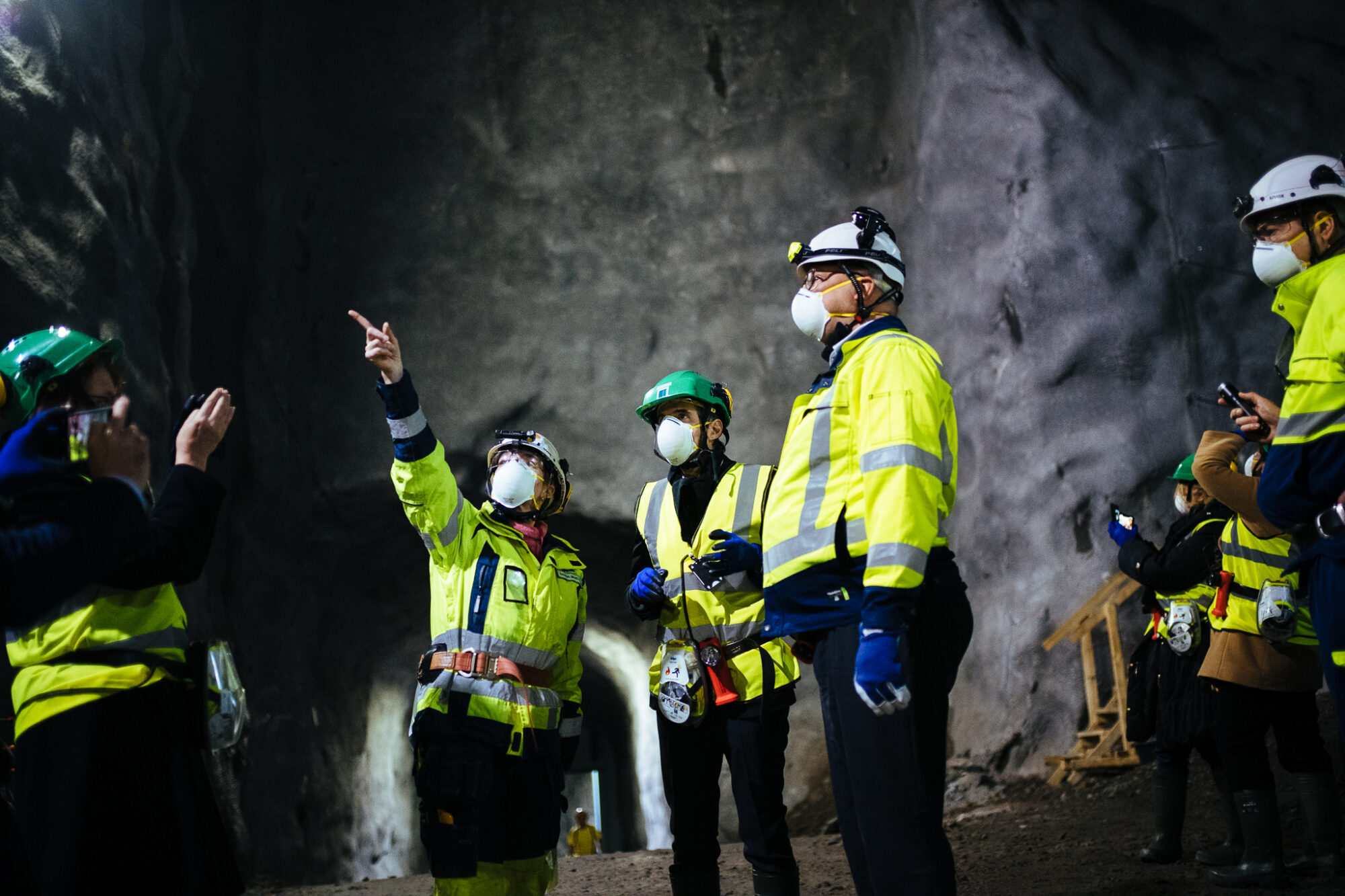
Deep in the bedrock of southwestern Finland near the Olkiluoto nuclear power plant, an expansive tunnel network under construction represents one of the most consequential developments for nuclear security in decades. The site is called Onkalo, and it is set to become the world’s first deep geological repository for spent nuclear fuel. When the facility begins operating in the next few years, Finland will become the first country to transition from storing spent nuclear fuel above ground to permanently isolating it underground.
Permanently disposing spent nuclear fuel benefits the security equation in two important ways. First, it takes reprocessing off the table. Reprocessing is an effort to chemically separate potentially reusable materials from spent fuel, a process that produces weapons-usable plutonium. While most countries around the world do not reprocess, those that do have added hundreds of metric tons of separated plutonium to the global stockpile, significantly heightening security risks. By committing to direct disposal, Finland has taken the most secure path to spent fuel management.
Second, permanent disposal alleviates long-term security burdens. As of 2025, the global inventory of spent nuclear fuel stood at nearly 448,000 metric tons of heavy metal. Roughly 72 percent — more than 320,000 metric tons—of that spent fuel remains in storage at the site where it was used, awaiting a permanent long-term solution. For as long as spent fuel sits above ground, it requires continuous physical protection, monitoring, and security investment to guard against theft or diversion—manageable in the short to medium term, but difficult to sustain over many decades and centuries. Once spent fuel is emplaced deep underground, the engineered barriers and the sheer depth provide protection from natural and human-made disasters that surface storage cannot match. Deep geological repositories naturally exponentially reduce the need for active security measures for generations to come.
The timing of Finland’s achievement is significant. Thirty-one countries currently operate nuclear power plants and 38 have pledged to triple global nuclear energy capacity by 2050. Dozens more are considering nuclear energy for the first time. Every one of these programs will generate spent fuel and Finland offers a model for how to do it right. Addressing long-term spent fuel management proactively, conducting meticulous geological research, siting the facility through a transparent and consent-based process, and sustaining political commitment across successive governments all made Onkalo possible. As the world turns to nuclear energy to meet rising demand for heat and power and increasingly urgent climate goals, Finland has shown that a permanent repository is an achievable and integral part of a responsible approach to nuclear energy.