
STORY
Ghana Is Building Its Nuclear Security Foundation Before Its First Reactor
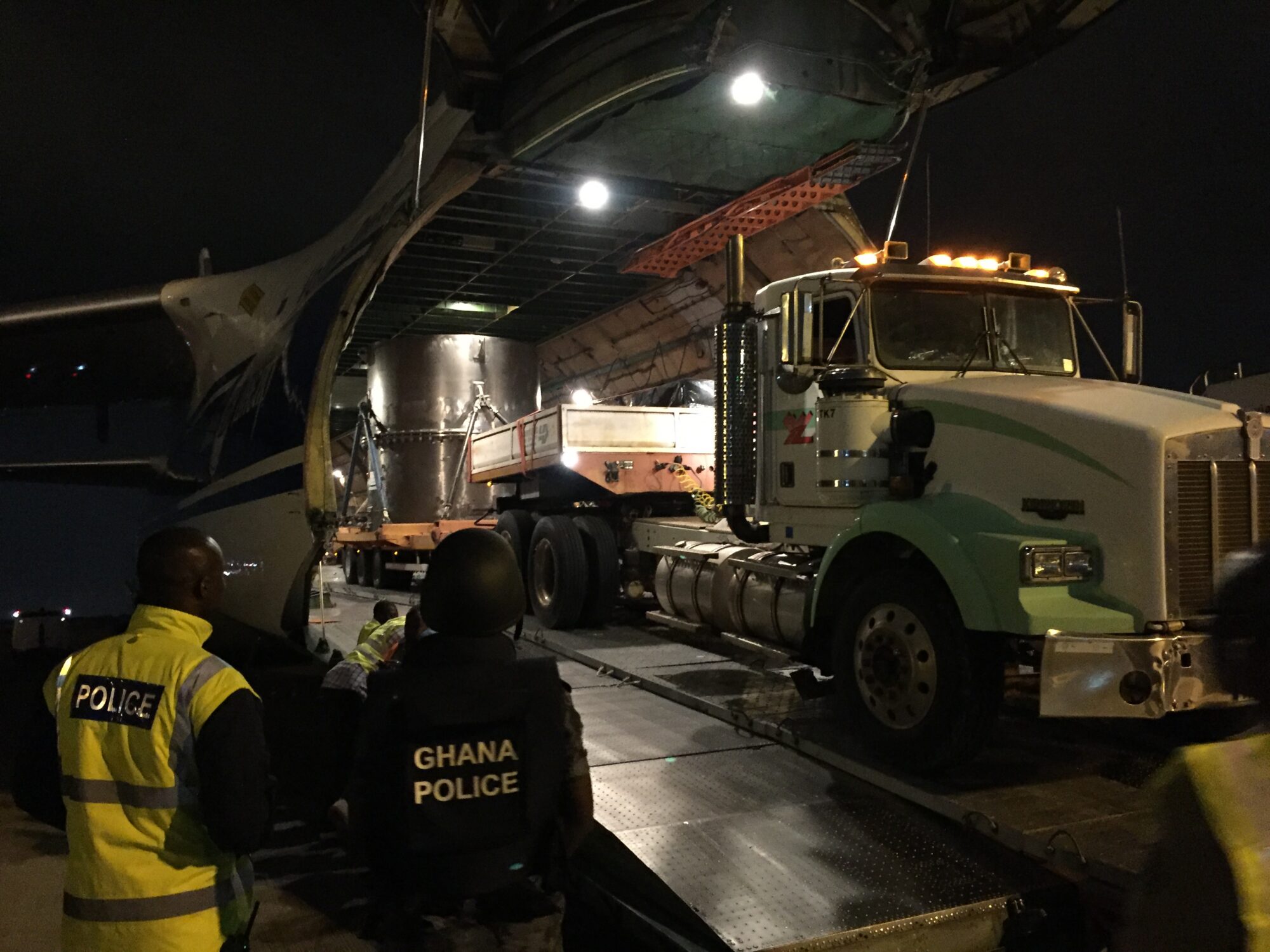
In 2025, a team of International Atomic Energy Agency (IAEA) experts traveled to Ghana to evaluate a proposed site for the country’s first nuclear power plant. It was a notable milestone for a nation that does not yet operate a single power reactor, but it was not the first instance of Ghana’s commitment to nuclear security. Almost a decade before the site assessment, the country converted its highly enriched uranium (HEU)-fueled research reactor to low enriched uranium fuel and removed all HEU from its borders. Ghana has set itself apart from dozens of other countries considering nuclear energy by building the institutions, norms, and security culture that responsible nuclear energy requires before they build any reactors.
Ghana’s Deputy Minister of Energy, Richard Gyan-Mensah, has identified engagement with the IAEA, adoption of international best practices, and implementation of the highest regulatory standards as national priorities. The country has made notable strides in its engagement with the international nuclear security community in the last several years:
- It joined the IAEA Nuclear Security Guidance Committee, the body that develops and revises the international guidance on which national nuclear security regimes are built, giving Ghana a voice in shaping standards it will eventually implement.
- It became a member of the Global Forum to Prevent Radiological and Nuclear Terrorism, a partnership of states that share expertise and coordinate on preventing nuclear and radiological threats.
- It sent a ministerial-level delegation to the 2024 International Conference on Nuclear Security, signaling political commitment at the highest levels rather than treating nuclear security as a purely technical matter.
- It endorsed the IAEA’s Seven Indispensable Pillars of Nuclear Security, which set benchmarks for protecting nuclear facilities and materials during armed conflict, a concern made newly urgent by recent attacks on nuclear infrastructure elsewhere in the world.
- It subscribed to INFCIRC/908, joining a group of countries committed to strengthening protections against insider threats, consistently one of the most serious and difficult vulnerabilities any nuclear facility faces.
This engagement has made Ghana one of the strongest nuclear security performers in Africa, showing one of the largest improvements of any country in the 2026 Index on global nuclear security norms. In the 2026 NTI Index, Ghana’s score in the Global Norms category increased from 44 in 2023 to 72 in 2026.
Ghana’s leadership in nuclear security is also manifesting in the development of its nuclear energy program. While laying the groundwork for both large-scale nuclear power generation and small modular reactors, Ghana is following the IAEA Milestones Approach, a framework designed to help countries develop nuclear energy programs in a safe, secure, and sustainable manner. The 2025 site assessment was part of that process, offering a model for how a newcomer state can integrate international best practices and rigorous standards from the very beginning.
The logic behind this sequencing is straightforward. The capabilities that make nuclear energy safe and secure—including effective regulation, licensing, security culture, and emergency preparedness—cannot be built overnight. By investing in them before major facilities come online, Ghana is giving itself the time to get them right, rather than scrambling to assemble them under the pressure of an operating reactor.
Ghana offers a broader lesson that leadership in nuclear security is not determined by the size of a country’s nuclear sector, but by its commitment to engagement, institution-building, and responsible governance. For the many states weighing whether to pursue nuclear energy, and those seeking a more active role in global nuclear security, Ghana offers a compelling model: embrace international norms early, invest in security before the infrastructure is in place, and treat nuclear security as the foundation on which a credible nuclear program is built, not as a box to be checked once reactors arrive.