
STORY
Don’t Bank on Plutonium: The Risk of a Global Plutonium Economy
From the 1950s into the 1990s, highly enriched uranium (HEU) fueled research reactors, medical isotope production, and other peaceful applications of nuclear technology at civilian facilities in dozens of countries. But HEU is a weapons-usable material, and as the world grew more conscious of nuclear terrorism and proliferation threats, the widespread use and insufficient protection of HEU was identified as a critical vulnerability. The world’s response to that vulnerability became one of nuclear security’s clearest success stories. It also holds a lesson for a materializing risk today involving plutonium, HEU’s weapons-usable counterpart.
Politicians and scientists devised an ambitious plan to eliminate the HEU trade by honing efficient alternative fuels that could be used in HEU’s place. The effort worked. Today, research reactors and medical isotope facilities routinely use non–weapons-usable low enriched uranium, and 6.93 metric tons of HEU have been eliminated from global stockpiles with all HEU removed from 35 countries and Taiwan. Momentum on HEU minimization has plateaued since 2018: the number of countries with stockpiles of weapons-usable nuclear materials (HEU and plutonium) has held steady at 22.
The world now risks undermining the significant progress on minimizing HEU by increasing stocks of the other primary weapons-usable material: plutonium. Growing interest in plutonium-bearing reactor fuels and technologies that generate plutonium threatens to create what can be called a global plutonium economy, a system in which separated plutonium is treated as a commercial asset to be produced, traded, transported, and consumed rather than the security liability it is. Understanding what the plutonium economy is and why it is dangerous is essential to avoiding the high-stakes mistake the world spent decades correcting with HEU.
A country could participate in the global plutonium economy through any of four activities that creates or reinforces a specific use for plutonium, creating demand and increasing the amount of weapons-usable material in circulation:
- Reprocessing spent nuclear fuel, which separates plutonium into a weapons-usable form
- Fabricating plutonium fuel
- Burning plutonium-bearing fuel in reactors
- Exporting spent fuel abroad to be reprocessed elsewhere.
Each of these activities creates demand for plutonium, increasing the amount of weapons-usable material in circulation.
Reprocessing sits at the center of this economy because it produces separated plutonium. When plutonium exists inside a spent fuel assembly, it is largely self-protecting: the intense radioactivity of the surrounding material makes it extraordinarily difficult to handle, steal, or divert. Reprocessing removes that protection by converting a self-securing waste form into a concentrated, weapons-usable material.
The case for the plutonium economy often targets two of the most politically sensitive challenges surrounding nuclear energy: energy security and waste management. Promising to reduce reliance on energy imports or eliminate waste can at times generate significant allure, although evidence shows that a plutonium economy does not deliver on these solutions in practice.
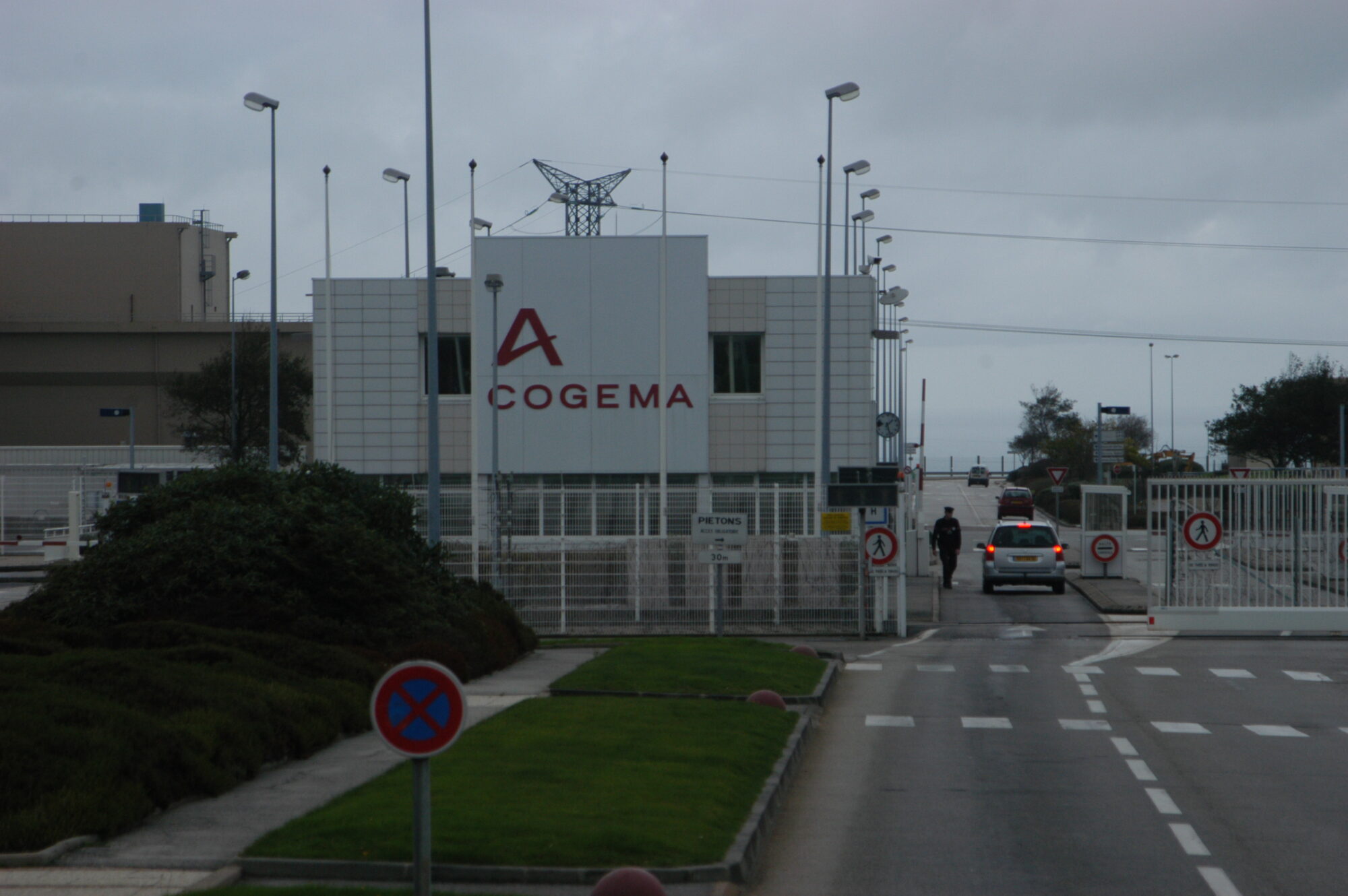
Today, most countries opt for a once-through fuel cycle that foregoes reprocessing, but the few countries that reprocess are fueling a rapid rise in global plutonium stockpiles. In total, there are 430,000 kilograms of separated plutonium in civilian applications, enough for more than 53,000 nuclear weapons. France, the world’s leading reprocessor by tonnage, has accumulated 32,900 kilograms of civil separated plutonium since 2020 alone, bringing its total civil stockpile to roughly 119,700 kilograms. Civil separated plutonium stocks have also grown rapidly in India and Russia, which produced a combined total of more than 4,000 kilograms since 2023. Russia now holds the world’s third largest stockpile of civil separated plutonium at roughly 61,000 kilograms. These are not abstract figures. Each represents weapons-usable material that requires protection in perpetuity and would not exist at all had the spent fuel it came from simply been left intact.
Plutonium is not necessary for any peaceful application of nuclear technology. Each activity in a possible global plutonium economy has a safer alternative that avoids the risk entirely. In place of reprocessing, a once-through fuel cycle leaves plutonium sealed within spent fuel until it can be permanently disposed of in a deep geological repository. In place of plutonium-bearing fuels, low-enriched uranium meets the same energy needs without producing a weapons-usable end product.
At a moment when nuclear energy is poised to grow, the fuel cycle choices governments make are consequential. Governments should heed the hard-won lessons of HEU and opt for fuels and technologies that will not elevate security risks for generations to come.