
STORY
Indonesia Closes Nuclear Security Gaps as Energy Plans Progress
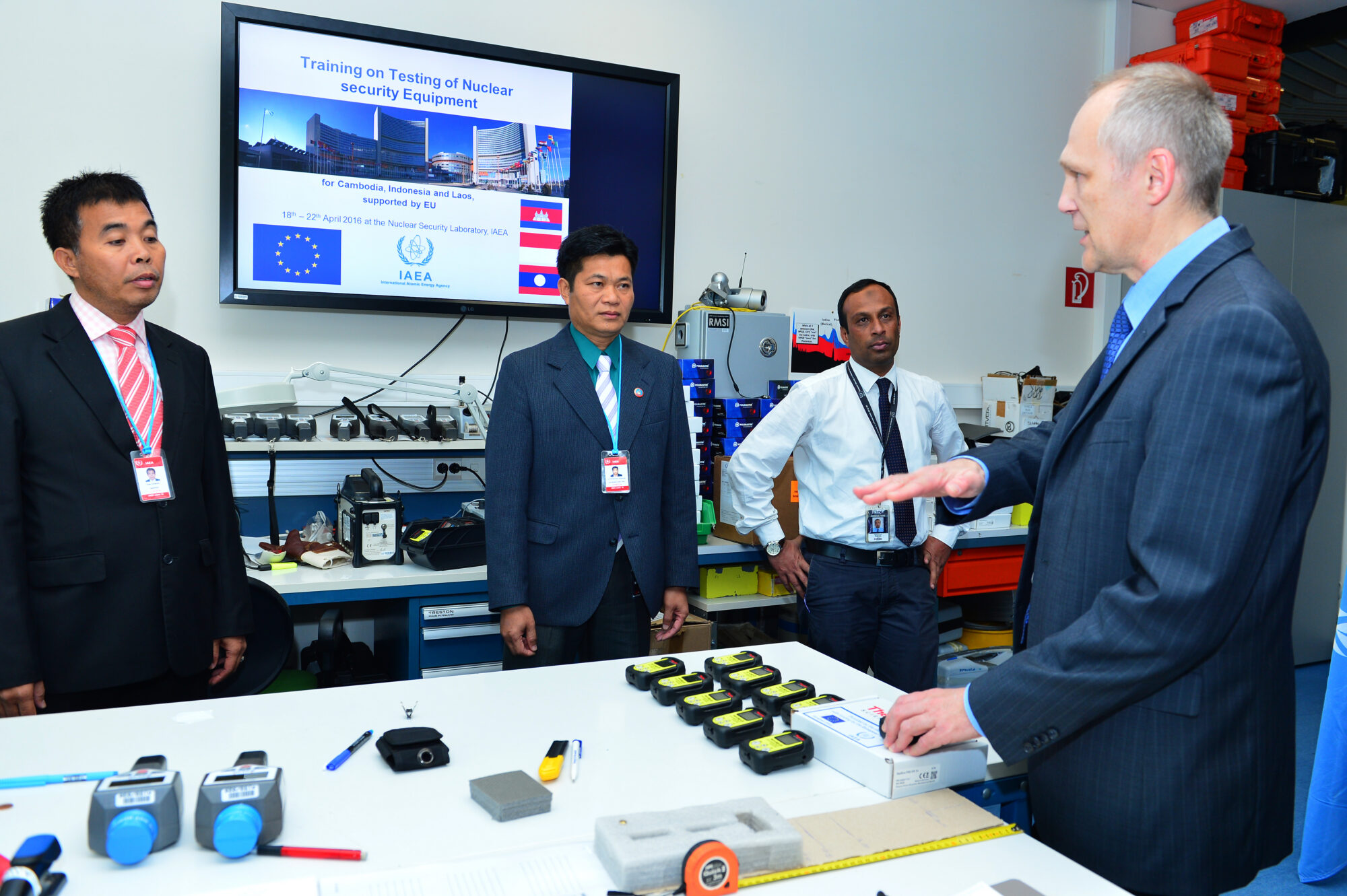
Indonesia is the most populous country on earth without a nuclear power plant. Every nation larger than it—China, India, and the United States—has operated reactors for decades. Across the archipelago of thousands of islands, electricity demand is projected to more than triple by mid-century as the government simultaneously looks to move beyond its heavy reliance on coal with a plan to introduce its first commercial reactor online in the early 2030s. Scaling nuclear energy in a country of 280 million people is an enormous undertaking, and Indonesia is promisingly signaling that it intends to lay a strong security foundation first.
In January 2026, Indonesia’s Nuclear Energy Regulatory Agency (BAPETEN) issued a sweeping new rulebook for protecting nuclear facilities and materials. Regulation Number 1 of 2026 Concerning Physical Protection Systems for Nuclear Installations and Nuclear Materials has replaced an outdated framework that did not reflect contemporary threats and best practices. The new regulation establishes more comprehensive requirements for protecting nuclear facilities and nuclear materials, including guidelines around incident reporting procedures, emergency response exercises, intrusion detection systems, and other protective measures. For a country still years from its first reactor, it is a clear sign that the government is treating nuclear security as a precondition for nuclear energy, not an afterthought.
Notably, the regulation recognizes that nuclear security today extends well beyond fences, guards, and alarms. As nuclear facilities are increasingly dependent on digital technologies, a cyberattack can open pathways to disruption, theft, or sabotage that no physical barrier will stop. Indonesia’s new regulation reflects this by requiring cyber risks to be considered in vulnerability assessments and physical protection plans—consistent with the growing recognition in Indonesia and internationally, that digital and physical security can no longer be treated as separate problems.
The updated regulation also addresses insider threats, which remain among the most persistent challenges in nuclear security worldwide. Individuals with authorized access can potentially circumvent traditional security measures, making personnel reliability programs an essential element of effective security. Indonesia now requires personnel vetting programs that include psychological assessments and ongoing behavioral monitoring. Worldwide, just 20 of the 50 countries with weapons-usable nuclear materials or nuclear facilities require comprehensive personnel vetting for employees at nuclear facilities, and only 29 have requirements for ongoing behavioral monitoring.
Indonesia’s progress is reflected in the NTI Nuclear Security Index, where the country’s score in the Security and Control Measures category increased from 62 in 2023 to 78 in 2026. This category evaluates factors such as physical protection systems, insider threat prevention measures, security culture, cybersecurity, and regulatory oversight. While challenges remain, the improvement indicates that Indonesia has taken meaningful steps to address previously identified weaknesses and align its security framework with international best practices.
Indonesia’s experience offers an important lesson for countries considering nuclear energy. Building nuclear security in early gives regulators, operators, and security personnel the time they need to develop the institutions, expertise, and security culture that effective implementation demands, none of which can be created overnight. Retrofitting security measures after facilities have been constructed is often more costly and more challenging than designing it in from the start. By strengthening its nuclear security framework before large-scale deployment begins, Indonesia already demonstrating the benefits of building security into the foundation.