
STORY
The 2027 Amended CPPNM Review Conference: A Pivotal Moment for Nuclear Security
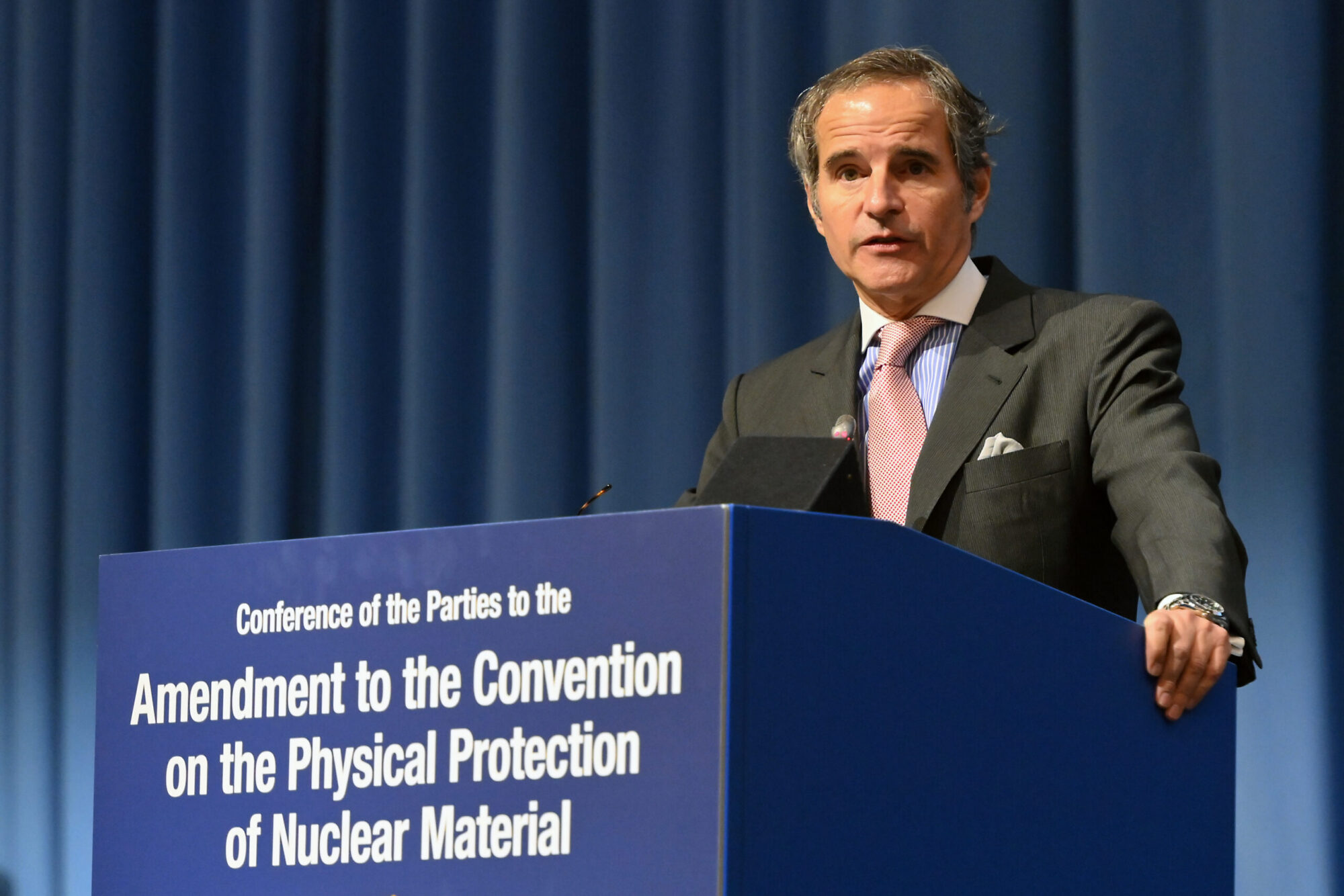
When the Amendment to the Convention on the Physical Protection of Nuclear Material (CPPNM) entered into force in 2016, it marked a watershed moment for the international nuclear security regime. For the first time, a legally binding instrument obligated states to protect nuclear material in domestic use, storage, and transport. Yet the convention’s framers understood that the threat landscape was constantly evolving. They built in a mechanism to enable the treaty to adapt: a review conference, to be convened within five years of the treaty’s entry into force, with future reviews convened only if called for by a majority of states parties, at least every five years thereafter.
The first review conference (held in April 2022 due to disruption from COVID-19), provided an initial opportunity for states parties to assess the convention’s implementation and the adequacy of its provisions. It took place against the backdrop of an already shifting security environment, one that has only grown more volatile. The second review conference, expected to occur in April 2027, will arrive at a moment when the questions facing the nuclear security regime are more urgent, more complex, and more consequential than at any point since the convention was amended.
States parties should prioritize three steps in the coming months to lay the groundwork for a successful 2027 review conference:
- Send a delegation to the upcoming preparatory committee meeting (expected to occur in September 2026) that is prepared to agree on a roadmap for substantive preparations, confirm the use of the 2022 rules of procedure and participation guidelines, and set deadlines for nominating co-chairs and co-presidents. Rather than focus on procedural debates that were already resolved in the lead-up to 2022, the preparatory meeting should be devoted to substantive discussions and early negotiation of the outcome document.
- Conduct an interagency review of domestic implementation of the Amended CPPNM that includes all relevant government agencies. A candid assessment of progress, gaps, and emerging challenges will position delegations to deliver substantive national statements, identify where international assistance or cooperation would be most valuable, and engage credibly in discussions on implementation and adequacy.
- Fulfill their obligation per Article 14 of the treaty to submit information to the IAEA on national laws and regulations that enable the treaty’s implementation, or update prior submissions. These submissions are the foundation on which the conference’s review of implementation rests.
NTI has developed practical resources to support governments in preparing their national delegations:
- What is the A/CPPNM and Why is it Important?
- National Preparations for the Amended CPPNM Review
- Sample National Statements for Comparison
At the review conference, states parties should strive to accomplish the following:
- Engage in open, substantive discussions in which they share security progress, implementation challenges, best practices, and lessons learned. These discussions can be strengthened by the participation of intergovernmental organizations, nuclear industry, and non-governmental organizations, all of whom bring unique perspectives that can help overcome challenges in implementation.
- Identify and announce new commitments to strengthen nuclear security, signaling that the Amended CPPNM regime is producing concrete security improvements and providing other states partis with practical models to draw from. These could include the following:
- Updates to regulations addressing emerging threats (e.g., cyber or drone attacks on nuclear facilities
- Invitations for an IAEA International Physical Protection Advisory Service mission
- Steps to minimize or eliminate stocks of weapons-usable nuclear material
- Support for existing joint statements on nuclear security, such as those on insider threats, transport security, or HEU minimization.
- Secure the ratifications necessary for the Amended CPPNM to fully replace the original CPPNM. This is an essential objective that can be supported by states parties inviting non-parties to participate in the review conference, as was done in 2022. Their inclusion promotes the treaty’s value and advances it as a forum for states to learn how others overcame barriers to ratification.
- Request that the IAEA convene a future review conference and consider agree to make regular review conferences a permanent feature of the treaty regime. The Amended CPPNM’s relevance depends on its ability to evolve alongside the threats it addresses, and regular reviews are the mechanism through which that evolution occurs.
In recent years, nuclear security has struggled to compete for government bandwidth amid other geopolitical priorities. If the 2027 review conference underdelivers, it will reinforce the perception that nuclear security has fallen off the international agenda at precisely the moment when the threat environment demands the opposite. A successful review conference, however, could usher in a revitalization of the global nuclear security architecture with the Amended CPPNM as the cornerstone.