
STORY
The UAE Strengthens Nuclear Security as Its Program Matures
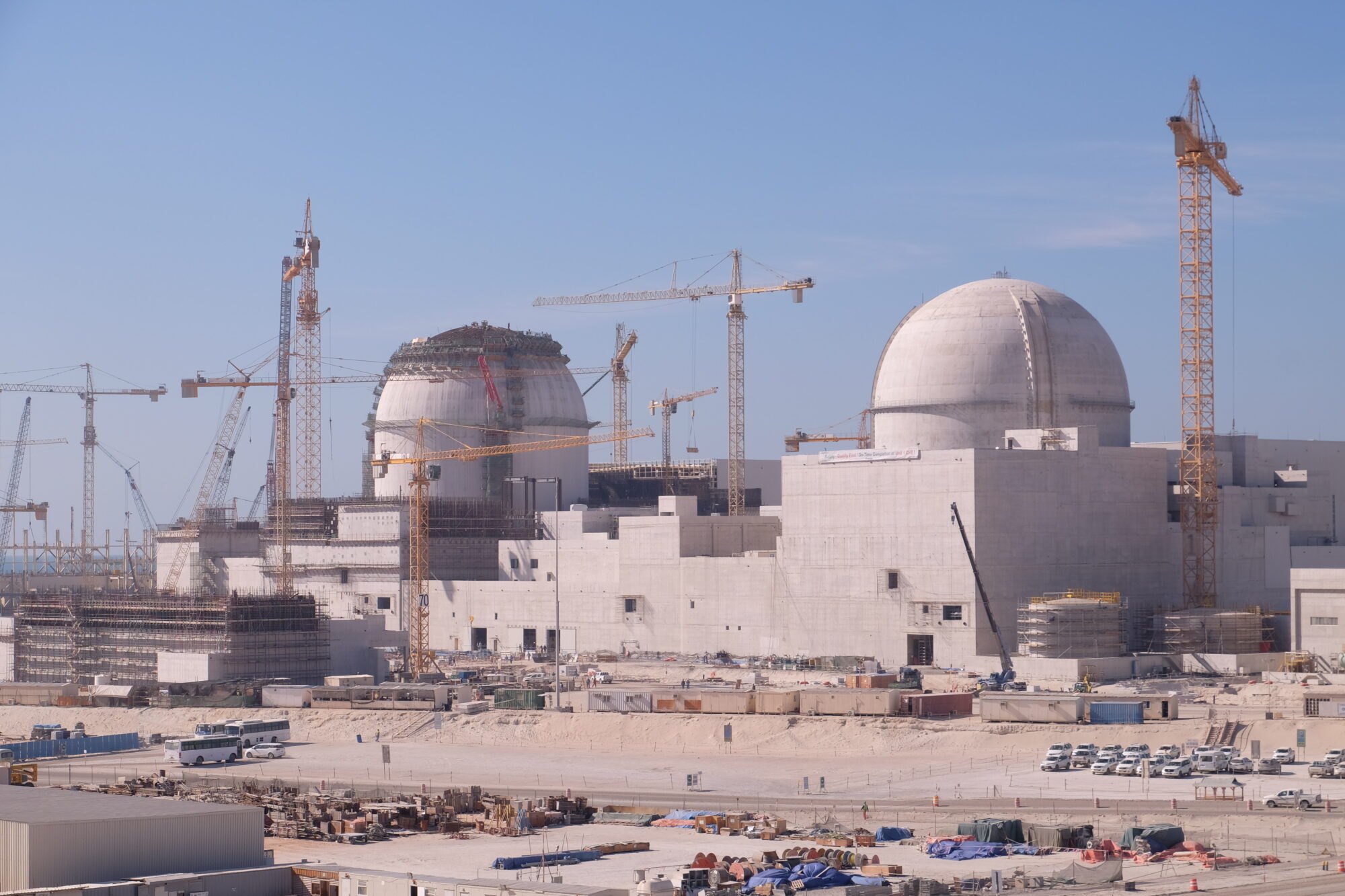
In little more than a decade, the United Arab Emirates (UAE) went from having no nuclear energy program to operating one of the newest and fastest built nuclear power plants in the world. Construction at Barakah nuclear power plant began in 2012, and by September 2024, its four reactors were supplying roughly a quarter of the country’s electricity. After impressing the world with the rapid construction of Barakah, the UAE has moved on to the harder and more enduring challenge of keeping its nuclear energy program secure for the decades it will operate. It is a valuable case study in how to effectively build nuclear security systems alongside a new nuclear energy program.
The UAE’s independent regulator, the Federal Authority for Nuclear Regulation (FANR), has driven much of this progress. The UAE’s 2026 National Report under the Convention on Nuclear Safety to the International Atomic Energy Agency (IAEA) detailed a series of recent regulatory improvements, including strengthened requirements for nuclear facility protection, updated cybersecurity provisions, and improved certification and vetting requirements for personnel. FANR also issued new guidance aimed at ensuring the secure transport of radioactive materials.
These efforts are part of a long-term strategy. FANR’s 2025–2029 Regulatory Master Plan was designed to anticipate and respond to future challenges, from emerging technologies to rapidly evolving regulatory needs. The strategy has three core pillars:
- Nuclear governance and regulatory leadership
- Nuclear and radiological safety, security, and safeguards
- Preparedness and response to nuclear and radiological emergencies.
It emphasizes stronger regulatory oversight, investment in research and innovation, workforce development, and international cooperation, while also examining how emerging technologies such as artificial intelligence can support regulatory functions. It reflects an understanding that nuclear security is not a milestone to be reached and checked off, but a discipline that must be sustained and continually renewed.
The UAE’s commitment to continuous improvement is reflected in NTI’s Nuclear Security Index. Between 2023 and 2026, the UAE’s score in the Security and Control Measures category, which evaluates factors such as physical protection systems, insider threat prevention measures, and security culture, increased from 66 to 86.
The UAE has also established itself as an active member of the global nuclear security community despite the relative youth of its nuclear program. From the outset, the country has worked closely with international partners to align its practices with global standards. It hosted a series of IAEA peer review missions to assess and strengthen domestic nuclear security practices, including: an Integrated Nuclear Infrastructure Review mission (2011), an Integrated Regulatory Review Service mission (2011), an Emergency Preparedness Review mission (2015), and an International Physical Protection Advisory Service mission (2016). Hosting these reviews is itself a mark of confidence: each invites international experts to scrutinize a country’s nuclear security arrangements and publish where they fall short.
The UAE has increasingly moved from receiving expertise to contributing it. Since 2023, it has made financial contributions to the IAEA’s Nuclear Security Fund, to support the agency’s global nuclear security efforts, and to the World Institute for Nuclear Security (WINS), to support nuclear security certification and training programs. In 2025, FANR conducted and participated in 15 national and international emergency exercises, including scenarios involving transboundary nuclear emergencies such as the IAEA’s ConvEx-3, the largest multilateral nuclear emergency drill. In 2021, the UAE hosted that exercise, building a scenario around a simulated a severe accident at Barakah nuclear power plant. FANR also signed ten cooperation agreements and memoranda of understanding with national and international partners and provided technical assistance to Bangladesh through the IAEA’s COMPASS initiative, conducting a review of the country’s import-export control framework. Taken together, these activities mark the UAE’s transition from a newcomer to a key contributor to the international nuclear security community.
The UAE’s experience offers a clear lesson for countries considering nuclear energy: building a nuclear power plant is only the first step. By investing in sustained improvement and integrating security at every stage of its program, the UAE exemplifies how nuclear security can mature alongside a growing nuclear energy sector.