
STORY
Weapons of Mass Disruption: The Persistent Threat of Radiological Terrorism
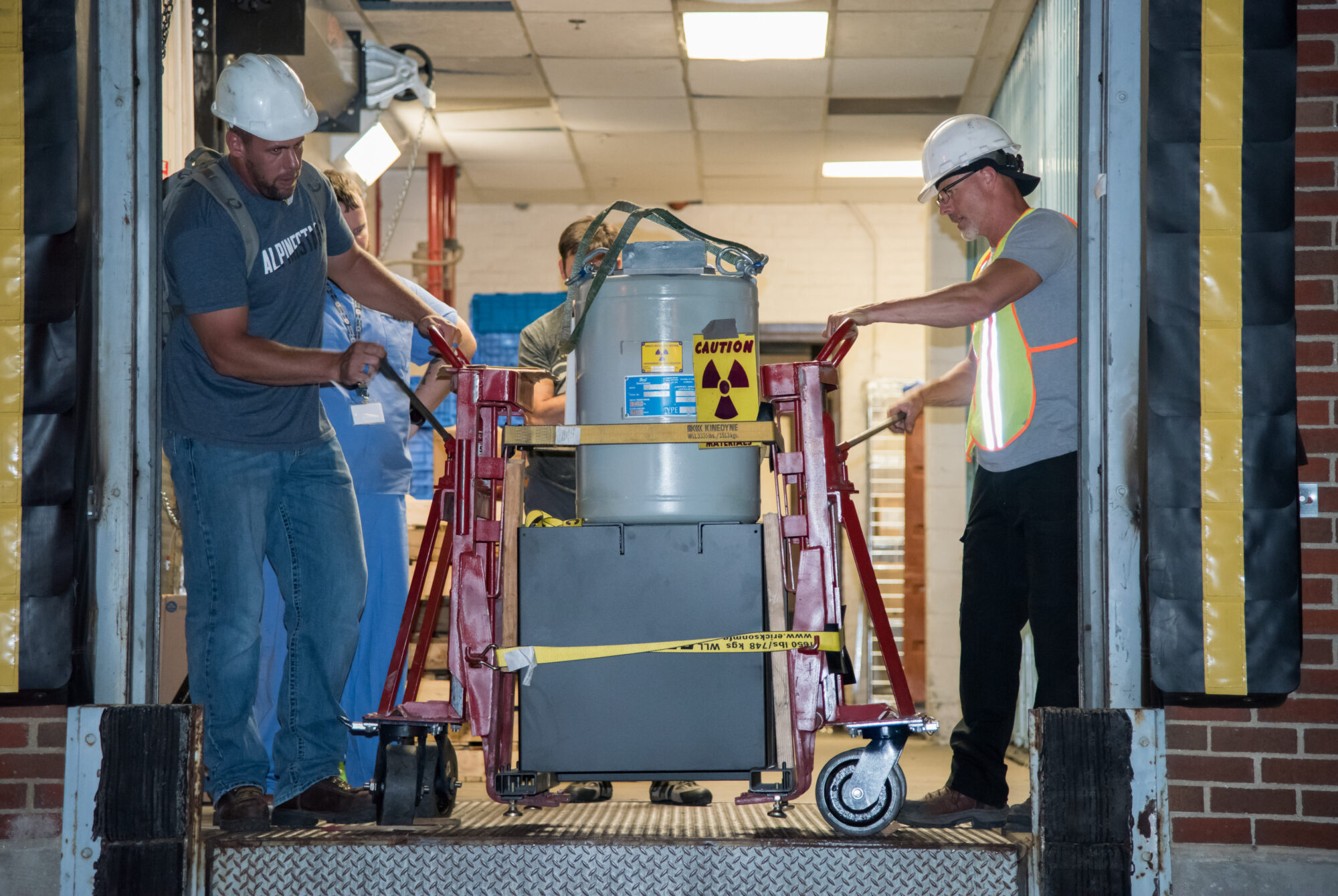
When Islamic State fighters captured the Iraqi city of Mosul in 2014, they seized control of university laboratories with two cobalt-60 radiotherapy machines. The devices, used to treat cancer, contained enough radioactivity to deliver a lethal dose within minutes to anyone near the unshielded source. That they never successfully weaponized the material does not diminish what the episode revealed: the raw ingredients for a radiological attack are not locked away in weapons complexes. They sit in hospitals, universities, and industrial facilities in nearly every country.
Radiological terrorism is a lower-consequence but higher probability threat than nuclear terrorism. Unlike a nuclear weapon, which requires weapons-usable nuclear material and considerable technical sophistication, a radiological weapon—also known as a “dirty bomb”—disperses radioactive material using conventional explosives or other means. Its danger—and its appeal to extremist groups—is rooted in its technical simplicity and capacity to sow fear, disruption, and economic damage far greater than the physical harm it causes.
An Al-Qaeda effort focused on non-conventional weapons developed plans and sought material for a dirty bomb, and its affiliates circulated instructions for building one through online forums and other channels. The Islamic State expressed similar ambitions, with operatives seeking out cesium-137 and iridium-192, (isotopes commonly used in medical and industrial applications) through illicit networks. Lone actors have shown interest as well: Anders Breivik, who killed 77 people in Norway in 2011, discussed the use of a dirty bomb in the manifesto he circulated before his attack. For someone operating without the resources of a terrorist network, the appeal even sharper: the materials for a dirty bomb are widely distributed across the world, they are often far less secured than weapons-usable nuclear material, and the technical barrier to combining a source with conventional explosives is low.
Counterterrorism researchers have documented a marked increase over the past year in extremists and lone actors using widely available artificial intelligence (AI) tools that provide everything they need to research, plan, and design conventional explosive devices. By giving would-be terrorists access to the technical know-how once reserved for trained operatives, AI tools have turned a capability that was once out of reach for a lone actor into an realistic option.
The consequences of a successful attack would likely be measured less in casualties than in disruption: contaminated urban areas, costly and prolonged cleanup, forced evacuations, and public panic more than actual physical danger. Even accidental releases illustrate the disruptive potential. When a government contractor breached a sealed cesium-137 source during the replacement of a blood irradiator at Harborview Medical Center in Seattle, only 13 people were exposed and no one died—but the cleanup cost nearly $100 million and took 18 months. A deliberate release in a dense urban center designed to maximize contamination and fear could be far worse.
The vulnerability to such an attack is compounded by how often radioactive sources slip out of secure control. Around the world, sources are lost, stolen, or damaged because of inconsistent oversight, poor record-keeping, or weak security. In 2013, thieves hijacked a truck carrying a cobalt-60 source at a gas station in Mexico. Authorities searched for nearly a week before locating the source, partially dismantled, in a field. The thieves appear to have been after the truck rather than its cargo, but the episode underscored how easily a dangerous source can go missing.
The threat is persistent, but it is also manageable. Reducing the risk of radiological terrorism does not require the elaborate infrastructure that securing weapons-usable nuclear material demands. It requires
- Clear regulatory oversight of the radioactive sources used across the medical, industrial, and research sectors
- Basic physical security measures to protect those sources from theft or diversion
- Accurate registries to track their location, use, and transport
- Safe, secure disposal of disused radioactive sources
- Detection and response capabilities to find missing material and respond to an incident.
These are not exotic measures. Yet the NTI Index finds them absent in 54 countries. Closing that gap is among the most achievable improvements in radiological security, and given the sustained interest that both organized groups and lone actors have shown in radiological attacks, it is among the most urgent.