
STORY
When Regulators Are Not Independent, Nuclear Security Suffers
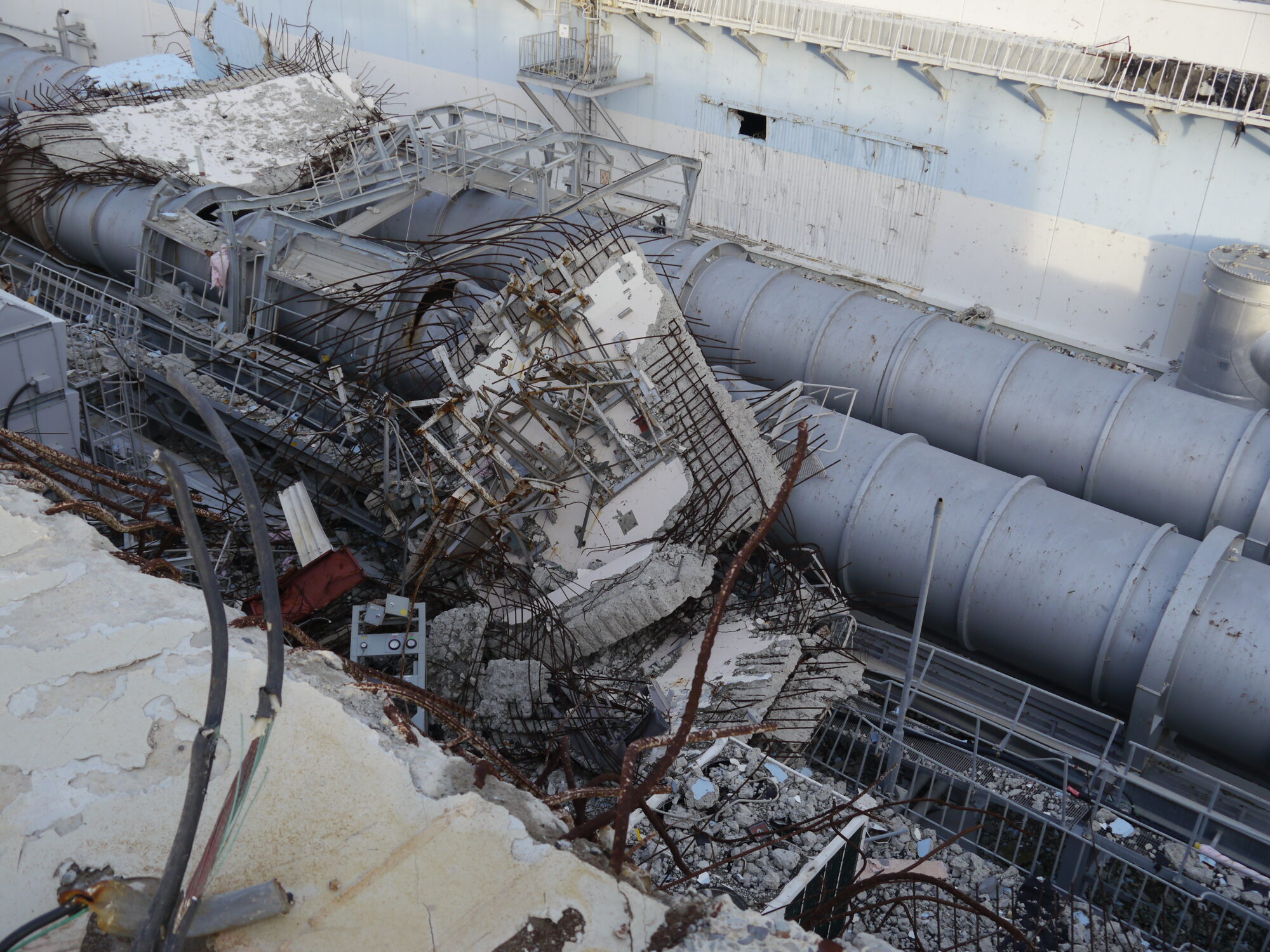
On March 11, 2011, a magnitude 9.0 earthquake and the tsunami it generated struck the Fukushima Daiichi nuclear power plant on Japan’s eastern coast, triggering the most serious nuclear accident since Chernobyl. In the years-long investigation that followed, a difficult conclusion emerged: the disaster was not simply the product of an extraordinary natural event. It was, in the words of Japan’s own parliamentary inquiry, a “profoundly man-made disaster” and one of its root causes was a failure of regulatory independence.
Before the accident, Japan’s nuclear regulator sat within the Ministry of Economy, Trade and Industry— the ministry responsible for promoting nuclear energy. This structure effectively placed the regulator on the same side as the industry it was meant to oversee. Warnings about Fukushima Daiichi’s vulnerability to large tsunamis had been raised for years, but the close relationship between the regulator and plant operator—a dynamic known as regulatory capture—meant those warnings went unaddressed. The body charged with protecting the public lacked the independence and the authority to compel industry actors to mitigate known risks. In the aftermath of Fukushima, the Japanese government established the Nuclear Regulation Authority as an independent body with real enforcement power.
This lessons of Fukushima prompted the International Atomic Energy Agency (IAEA) to revise its core guidance to reinforce the effective independence of a country’s regulatory body as a foundational requirement for a national nuclear oversight regime. The rationale is straightforward: regulatory judgments and enforcement actions must be free from political and commercial pressure. A regulator that is beholden to the entities it oversees cannot credibly oversee the security of weapons-usable nuclear material or the protection of nuclear facilities.
The United States established a formal separation between the promotion and regulation of nuclear energy half a century ago, precisely to avoid the conflict of interest that ultimately exacerbated the Fukushima accident. However, the integrity of this principle is now at risk. In 2025, a series of executive orders directed the United States Nuclear Regulatory Commission (NRC)—long regarded as one of the world’s strongest independent nuclear regulators—to weigh the promotion of nuclear energy alongside safety in its decisions and to submit its rules to the White House for review before implementation.
In April 2026, the NRC went further by voting to phase out its own force-on-force inspection program, which simulates attacks by trained mock adversaries to probe a plant’s defenses. Since 1991, and with a strengthened Congressional mandate since the September 11 attacks, the program has led exercises at each U.S. nuclear plant every three years. The NRC’s new approach makes plant operators responsible for running the exercises, with the NRC reduced to an observer. The NRC argues that this change reduces conflicts of interest, but security experts warn that giving control of the test to the party being tested will have the opposite effect. An exercise designed and staged by the operator cannot deliver the rigorous, independent, adversarial assessment necessary to verify the effectiveness of a security system.
Independent regulatory bodies are the backbone of a strong national nuclear security regime. They strengthen public trust by demonstrating that nuclear oversight is transparent and accountable. They reinforce international cooperation by aligning national practice with global frameworks. They lend credibility that commercial or political actors cannot provide on their own. They also benefit the nuclear industry by demonstrating strong, credible governance that signals reliability and responsibility to international partners and investors.
The value of establishing and sustaining an independent nuclear regulator is especially relevant for the many countries now considering or in the process of initiating new nuclear energy programs. Since 2020, Brazil, Hungary, and Taiwan have replaced oversight authorities with new independent regulators that have their own legal authority, technical expertise, and funding, and align with IAEA best practices. This is one of the most important steps in building a credible, robust nuclear security regime and one that the IAEA identifies as an essential element of the framework a country must put in place before it operates nuclear facilities.
Whether the challenge is defending hard-won independence in countries with established nuclear energy programs or building it from the ground up in countries new to nuclear energy, regulatory independence must not be an afterthought. It is an essential prerequisite for safe and secure nuclear energy.